
Avowed's Companions: A Missed Opportunity in a Rich World
Avowed companions lack depth and personal questlines, making the Living Lands feel vibrant but the cast disappointingly forgettable.
The world of Eora, with its deep lore and complex deities, has always been a fertile ground for unforgettable characters. When Obsidian Entertainment released Avowed in 2025, fans expected the studio's signature touch: companions who felt like living, breathing parts of the world, with their own demons, desires, and dynamic stories. The initial reception for the game was stellar, praised for its immersive first-person combat and the vibrant, living lands of the Living Lands. Yet, as players journeyed alongside Kai, Marius, Giatta, and Yatzli, a creeping sense of disappointment settled in. These companions, while functional and voiced with talent, lacked the spark, the depth, and the narrative weight that had become synonymous with Obsidian's role-playing epics. They were passengers on a grand voyage, not co-captains with stories of their own.
A Forgettable Cast in a Memorable World
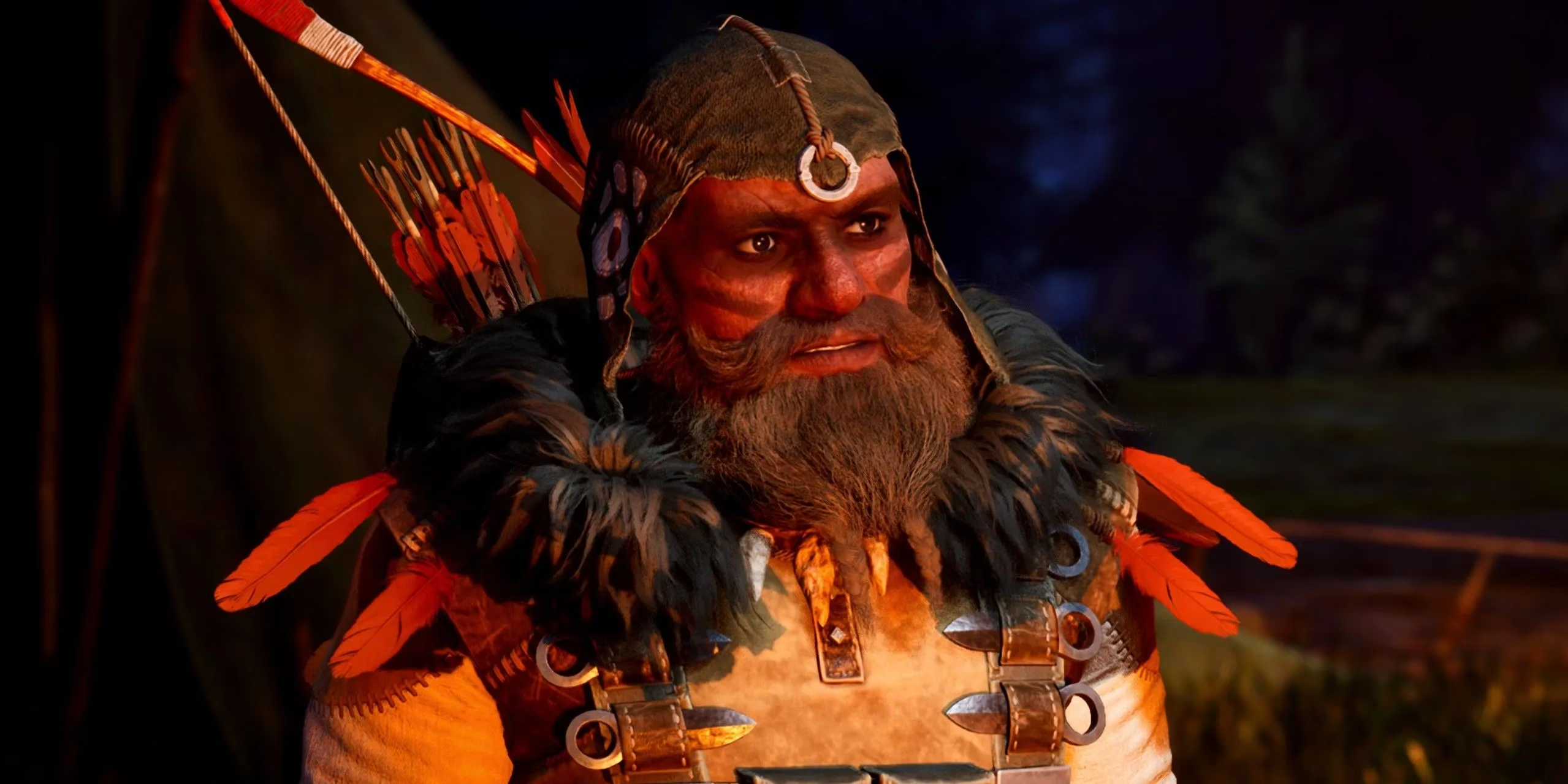
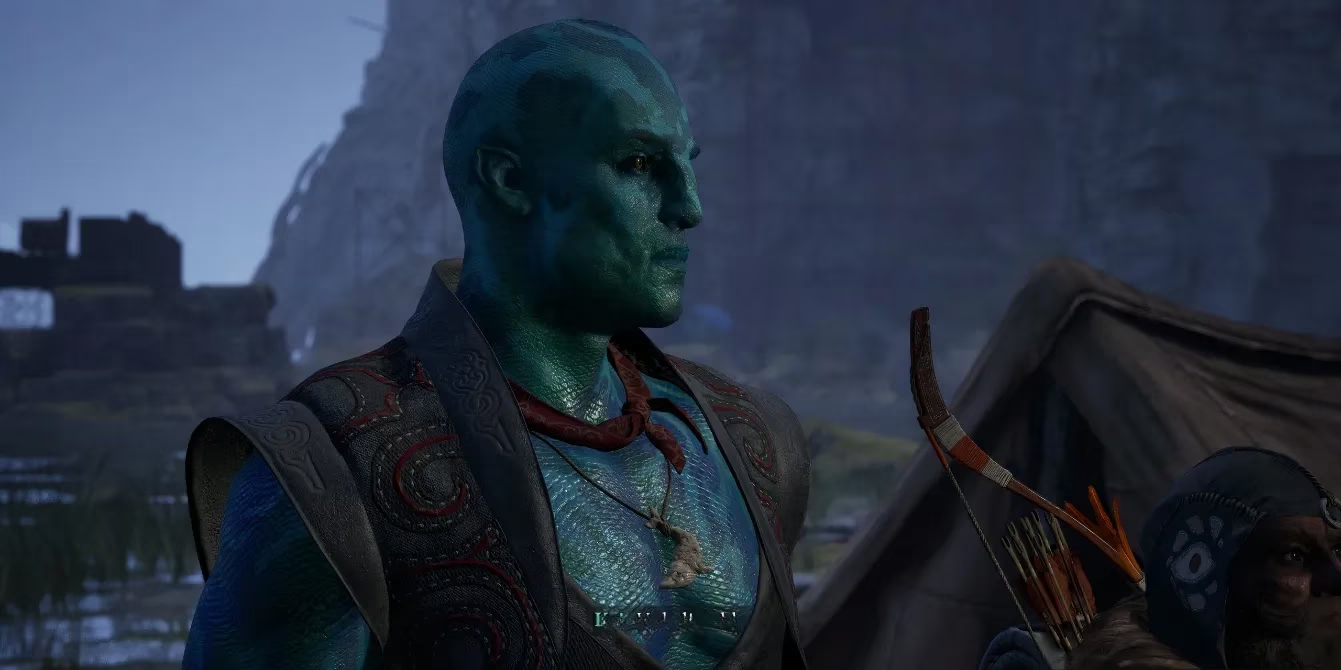
Let's be clear: the companions in Avowed are not bad. They fulfill their basic roles adequately. Kai provides quippy commentary, Marius offers a survivalist's cynical perspective, Giatta brings scholarly dedication to animancy, and Yatzli injects chaotic energy as a historian. They aren't annoying, and they don't detract from the core exploration and combat. However, that's precisely the problem—they merely exist without ever truly exciting. The player, known as the Envoy, is the sole narrative engine; the companions are reactors, not actors. Their development is almost entirely passive, shaped solely by their approval or disapproval of the Envoy's major story decisions. Since the central conflict often presents a binary choice, the companions' responses feel equally binary. They object when you make a blatantly evil move, not because of a nuanced, personal moral code that clashes with yours in an interesting way.
This lack of depth becomes painfully apparent through repetition. Kai, the supposed heart of the group, repeatedly circles back to his philosophy of 'second chances.' What initially seems like a core character trait soon feels like a broken record, his only defining feature beyond a handful of decent jokes. Marius, the loner, remains shrouded in a vague, ambiguous past that the game does little to compellingly unravel. He questions survival tactics, but his personality is often defined by being the butt of jokes from Kai or Yatzli. The most critical missing piece, however, is the absence of personal companion questlines. Unlike the rich, personal stories that defined companions in Pillars of Eternity, Avowed's allies have no dedicated arcs for the player to invest in. We learn about them only in snippets at camp, and those snippets rarely build into something substantial.
The Shadow of Greatness: Pillars of Eternity's Legacy
The companion issue stings more because Obsidian has already proven it can create masterpieces in this very setting. Pillars of Eternity and its sequel are celebrated for having some of the best-written companions in RPG history—characters like Durance, Aloth, and Grieving Mother are remembered years later for their complexity. They weren't just archetypes; they were deep explorations of Eora's unique philosophies, classes, and tragedies. They felt like products of the world, their stories inseparable from its gods, its history, and its conflicts.
Take Durance, the priest of Magran. On the surface, he and Marius share similarities: both are wanderers with mysterious pasts. But Durance's hook is infinitely more gripping. He is a vulgar, broken man who helped his goddess build the Godhammer Bomb that destroyed an avatar of Eothas—a historical event referenced in Avowed. His quest isn't handed to you; it's pieced together through haunting visions and cryptic dialogue around the campfire. He subverts the holy priest archeotype entirely, being both devout and bitterly resentful. Crucially, companions in Pillars could and would leave the party if your actions fundamentally clashed with their worldview. This possibility created real narrative tension and made their loyalty feel earned. In Avowed, this tension is absent. The companions are locked into a restrictive box, unable to truly disagree or depart, which neuters their potential for dramatic impact.
A Path to Redemption: The Hope of Future Content
As of 2026, the community holds onto hope that Obsidian will address this shortcoming. With rumors and hints of potential expansions or DLC, there exists a perfect opportunity to revitalize Avowed's companion system. An expansion, with its more focused, self-contained story, provides an ideal narrative sandbox to introduce new companions. Unburdened by the need to fit into the entire main campaign's arc, these new characters could be designed with more agency, more dramatic personal stakes, and the freedom to clash meaningfully with the Envoy and each other. They could even have the dedicated questlines that the base game sorely lacks.
Furthermore, new content could be used to retrospectively add depth to Kai, Marius, Giatta, and Yatzli. A new story context, new threats, or new revelations about the Living Lands could force the original crew to show new facets of their personalities, finally giving them the narrative room to grow. The potential is there. Eora remains one of the most creatively rich settings in fantasy RPGs, with its soul-based magic, reincarnation, and politically active gods. Future content must lean into these unique aspects. It must dare to give us companions who are strange, challenging, and deeply woven into the fabric of the world—companions who are memorable not for being pleasant, but for being real.
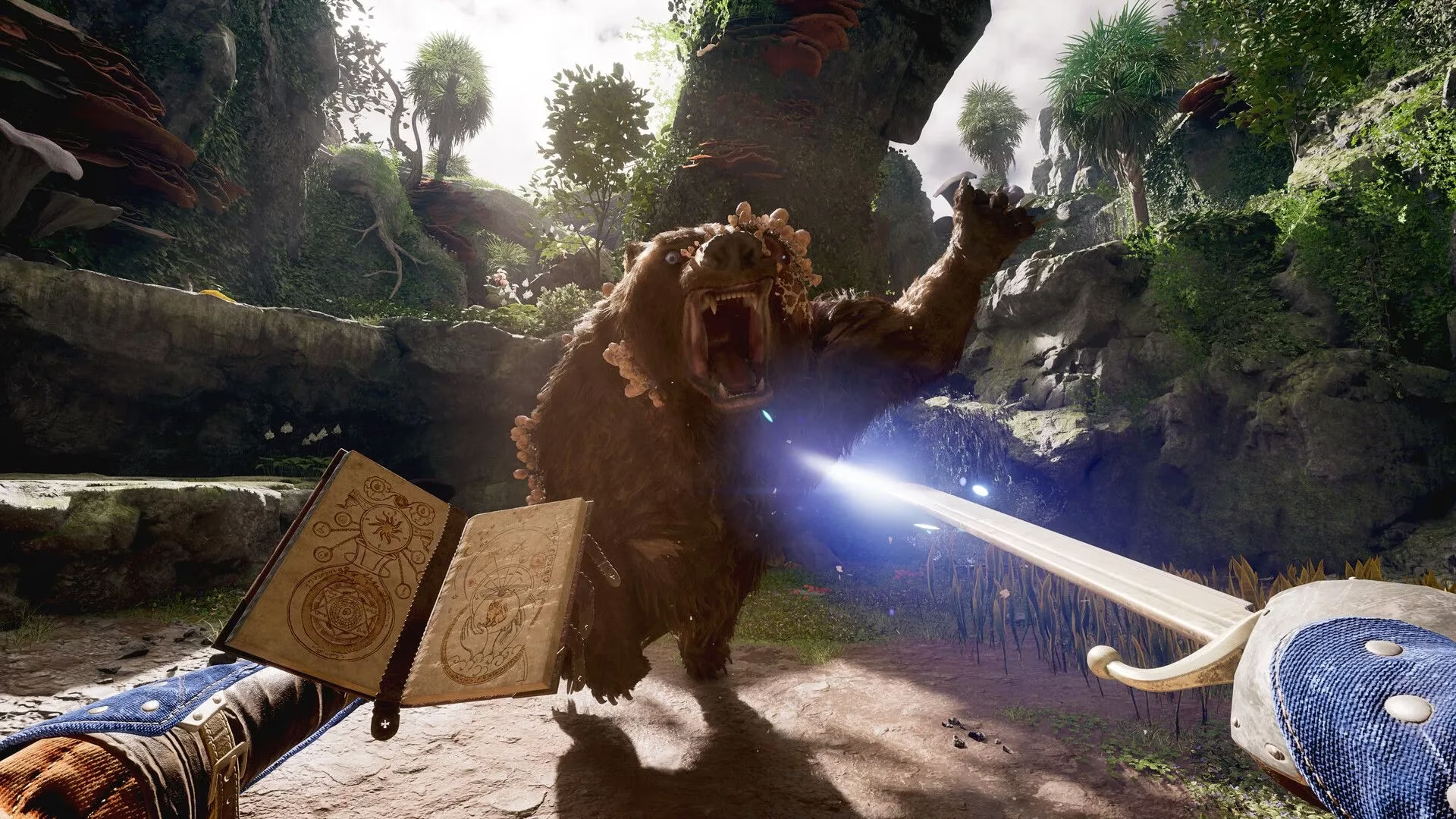
The journey through the Living Lands is visually stunning and often thrilling. But RPGs live and die by the characters we share those journeys with. In 2026, Avowed stands as a game with incredible foundations but a noticeable hole where its heart should be. The hope is that Obsidian, masters of the craft, will use the tools of future storytelling to fill that hole, finally giving players the compelling, dynamic companions that the world of Eora deserves. The stage is set; now we need the actors to truly shine.