
Avowed's Companions Won't Judge Your Worst Decisions, and Romance Is Probably Off the Table
Avowed companions ditch the traditional approval mechanic, so your party won't abandon you over choices.
Here’s a refreshing piece of RPG news for anyone whose party members usually spend every quest silently grading their moral choices: Obsidian has confirmed that Avowed does not use a traditional approval mechanic for companions. In plain English, the folks traveling with the player will not pack their bags and storm off because someone picked the snarky dialogue option or looted the wrong chest. As of 2026, Avowed has already been out in the wild for a while, and that design choice still feels like a small mercy for players who have spent years trying to make fictional vampires like them. Will companions judge? Possibly. Will they abandon the player over a bad decision? Apparently not.
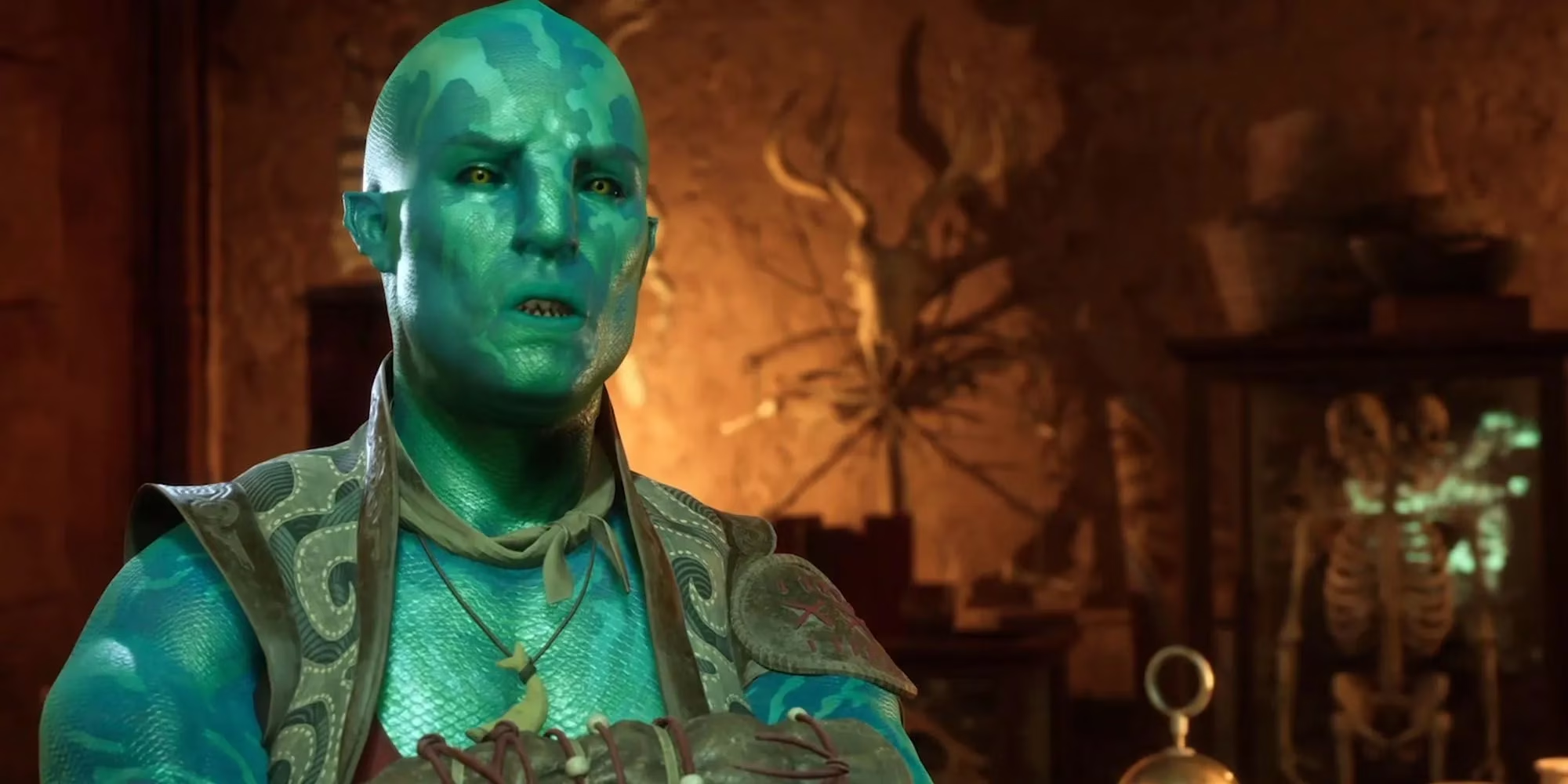
The setup is straightforward in a way that sounds almost suspiciously civilized. Avowed lets the player bring two companions along at a time, while everyone else waits at a party camp. Only two companions were known at the time of the interview, and Obsidian had not confirmed the final count, but the existence of a camp suggests a rotating cast rather than a lonely road with two permanent babysitters. It is less 'approval meter management simulator' and more 'getting to know the weirdos who signed up for this adventure.'
According to game director Carrie Patel and gameplay director Gabe Paramo, the companion system is about getting to know companions rather than earning their approval through specific decisions. That means players can make the worst possible choices and still keep their party intact. Is that not the dream? No frantic reloading because a companion disliked a joke. No spreadsheets tracking invisible affection points. No wondering whether picking up a shiny sword counts as a war crime in the eyes of a fictional cleric. The companions may have opinions, but they are not running a customer satisfaction survey.
| Feature | Avowed’s approach |
|---|---|
| Traditional approval meter | ❌ Not included |
| Companions abandoning the player over decisions | ❌ Not the plan |
| Party size in the field | ✅ Two companions at a time |
| Everyone else | 🏕️ Hanging out at party camp |
| Getting to know companions | ✅ The main idea |
| Romance | 💔 Probably not, and that sounds close to a no |
The romance question is where the cheerful music gets a little sad. The interview noted that romance did not come up, and the advice was not to expect it, since Obsidian rarely includes romance in its games. That is not a strict no, but it is the kind of 'not a no' that arrives wearing a trench coat and carrying a sign that says 'probably no.' For players hoping to woo a companion with carefully selected gifts and dialogue options, the forecast is cloudy with a strong chance of platonic friendship.
In 2026, this design choice looks even more interesting. RPG fans have been trained to treat companions like delicate approval meters with legs, and Avowed’s approach deliberately steps away from that anxiety. The player can focus on exploration, combat, and story without constantly checking whether a companion secretly hates them. Of course, some players will miss the drama. What is a party without at least one companion threatening to leave because someone was rude to a farmer? But there is also something appealing about a game that says: relax, the people in the camp are not going anywhere.
Obsidian’s reasoning seems to be that companionship should not be a popularity contest. The player gets to know companions through time and conversation, not through a hidden score that punishes the wrong choice. That does not mean companions are blank mannequins with swords. It means their relationship with the player is not a vending machine where correct decisions dispense affection. They can disagree, grumble, or raise an eyebrow, but they will not vanish because the player chose the chaotic option for the fifth time in a row.
So Avowed offers a trade: less approval anxiety, more freedom to be a messy adventurer. The lack of romance may sting for some, and the absence of a traditional approval system may feel strange for others. Yet for players who have spent hours trying to make a certain pale elf approve of them, the idea of companions who stick around without a friendship meter might be the most radical fantasy of all. Who knew the bravest choice in an RPG could be simply letting the party stay together?