
Avowed's Shields Need an Offensive Spark to Stay Relevant
Avowed shields struggle to compete in a flexible combat system built for flashy offense, leaving defense useful but rarely exciting.
Avowed arrived in 2025 as Obsidian Entertainment's first-person fantasy RPG set in the same universe as Pillars of Eternity. Building on the studio's signature strengths, it delivered companions, choice-driven storytelling, multiple endings, and a flexible combat system that lets players mix spellcasting, sharpshooting, and melee without being locked into a class. That freedom remains one of the game's most discussed features in 2026, especially because every loadout decision carries weight. Players can dual-wield wands, pair a gun with an ax, or lean into traditional sword-and-board combat. Yet among these options, shields have continued to occupy an uncertain space. They are useful, but they rarely feel as exciting as the offensive tools around them. For a game that encourages experimentation, that imbalance is worth examining.
A Combat System Built for Freedom
Avowed's combat customization stands out because it refuses to punish curiosity. Players are not forced into rigid roles, and the game's arsenal supports a wide range of approaches. Spellcasting relies on tomes and wands, sharpshooting favors guns and bows, and melee combat centers on swords, axes, and shields. Because loadouts can be adjusted freely, the most entertaining combination often wins out. A shield must therefore compete not only with other defensive tools but also with flashier offensive options that produce immediate, visible results.
| Combat Path | Typical Weapons | Appeal |
|---|---|---|
| Spellcasting | Tomes, wands | Elemental effects, ranged control |
| Sharpshooting | Guns, bows | Precision, burst damage |
| Melee | Swords, axes | Direct pressure, combos |
| Defense | Shields | Blocking, parrying |
That table highlights the core issue. Offensive paths offer clear fantasy and feedback, while shields provide protection that may feel passive by comparison. In a game where players can decimate foes with enchanted weapons and active abilities, a purely defensive item can struggle to justify its equipment slot.
Why Shields Risk Falling Behind
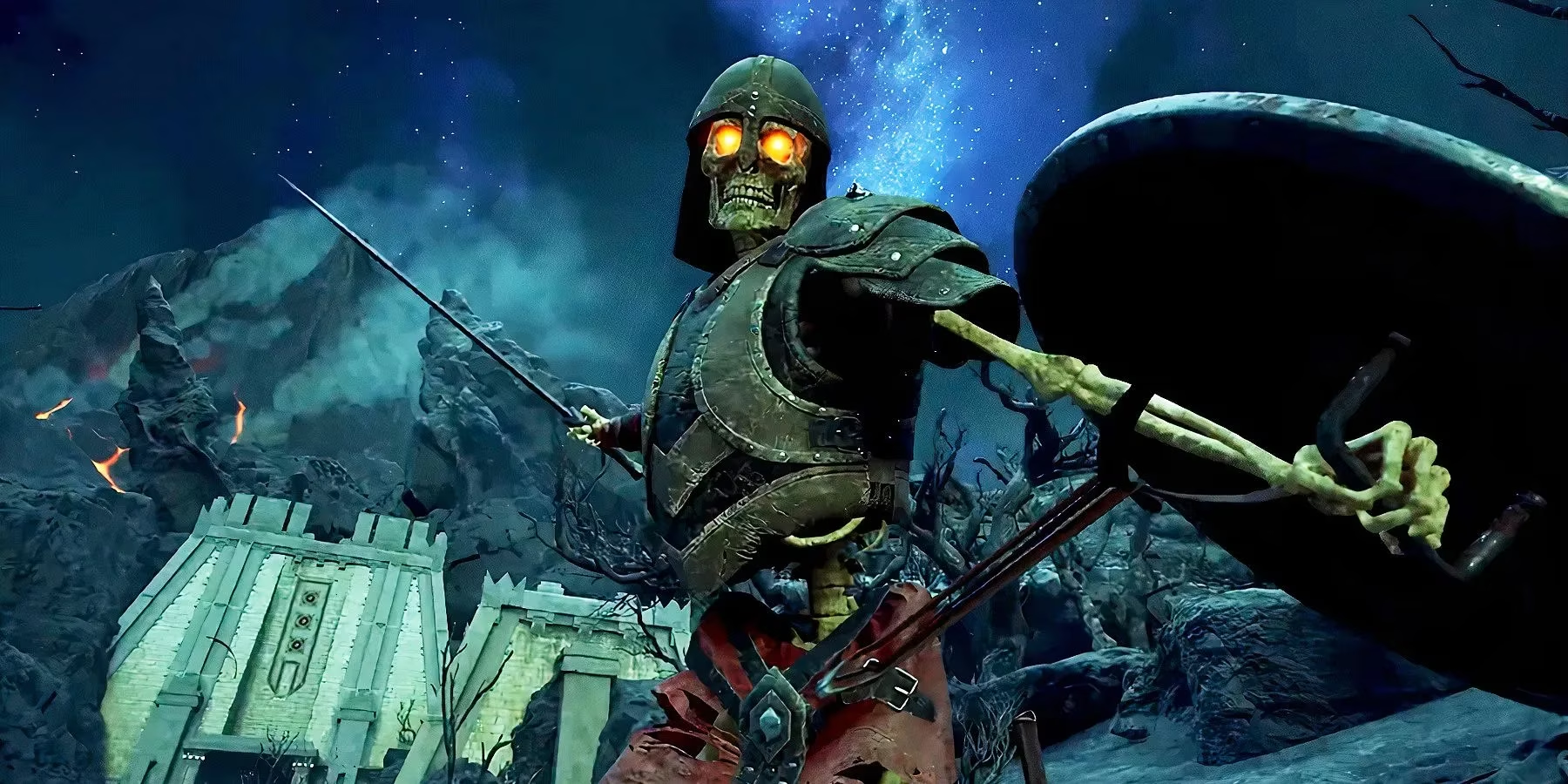
Shields in Avowed can parry enemy attacks, and parrying is a valuable skill in principle. The problem is opportunity cost. If a player can end a fight quickly with a gun in one hand and an ax in the other, or by dual-wielding wands, then stopping to parry may feel unnecessary. Defense becomes a contingency rather than a core part of the power fantasy. Even a well-timed block may not compare to the satisfaction of a devastating spell or a clean melee combo.
This does not mean shields are useless. They support a more measured, reactive playstyle, and some players will always appreciate that rhythm. However, Avowed's broader design rewards experimentation and spectacle. A shield that only occasionally prevents damage risks being relegated to the backburner. Players may keep one in reserve for difficult encounters, but they are less likely to build an entire identity around it unless it offers something more than survival.
Turning Defense into Offense
The most promising solution is to make shields active participants in combat rather than passive barriers. If a shield could inflict elemental damage on a successful parry, it would transform defense into a form of offense. A fire-enchanted shield might set enemies ablaze after a precise block, while an ice-enchanted shield could freeze foes on contact. Such effects would give shields a distinct voice in Avowed's combat sandbox and make parrying feel like a meaningful offensive choice rather than a delay.
This approach would also strengthen build diversity. A player who enjoys reactive combat could lean into shield enchantments that punish aggressive enemies. Instead of choosing between defense and damage, that player could blend the two. The shield would become a tactical tool with visible payoff, not just a safety net.
Learning from Dragon's Dogma
Avowed could look to Dragon's Dogma and its Mystic Knight for inspiration. The Mystic Knight demonstrates how shields can be more than armor. They can channel magic, deliver punishing counters, and create moments of empowerment. Avowed does not need to copy that design directly, but it could adopt the underlying philosophy: a shield should feel like a weapon with its own personality.
Elemental parries, shield-based counters, and enchantment synergies would all fit naturally within Avowed's flexible loadout system. They would also give players a reason to experiment with shields alongside wands, guns, and axes. The goal is not to make shields mandatory, but to make them compelling enough that choosing one feels like an exciting decision rather than a compromise.
The Road Ahead
By 2026, Avowed has already established itself as a notable entry in Obsidian's catalog, and its combat freedom remains a talking point. The game's other options are off to a strong start, but shields still deserve more attention. Whether through post-launch refinements or future design lessons, the ideal outcome is clear. Shields should not be mere afterthoughts in a system this flexible. They should be bold, expressive, and capable of turning a defensive moment into a decisive strike. If Avowed can give shields that kind of offensive spark, players will have one more reason to experiment, and the game's combat will be richer for it.