
Avowed’s Party Camp Is Quietly Asking for a Classic Fantasy Ambush
The Avowed party camp could become a tense camp ambush. It’s a classic fantasy RPG trap with real narrative stakes.
By 2026, Obsidian’s Avowed has settled into a strange, comfortable place in the RPG conversation: not quite a scrappy underdog, not quite an old warhorse, but a fantasy adventure with enough sharp edges to keep players poking at its systems. One of the most intriguing pieces is the party camp. It is the kind of feature that seems simple at first — a place to rest, swap companions, upgrade gear, and listen to party members trade barbs — but it also has a mischievous little gleam in its eye. Honestly, camps like this are practically begging for trouble.
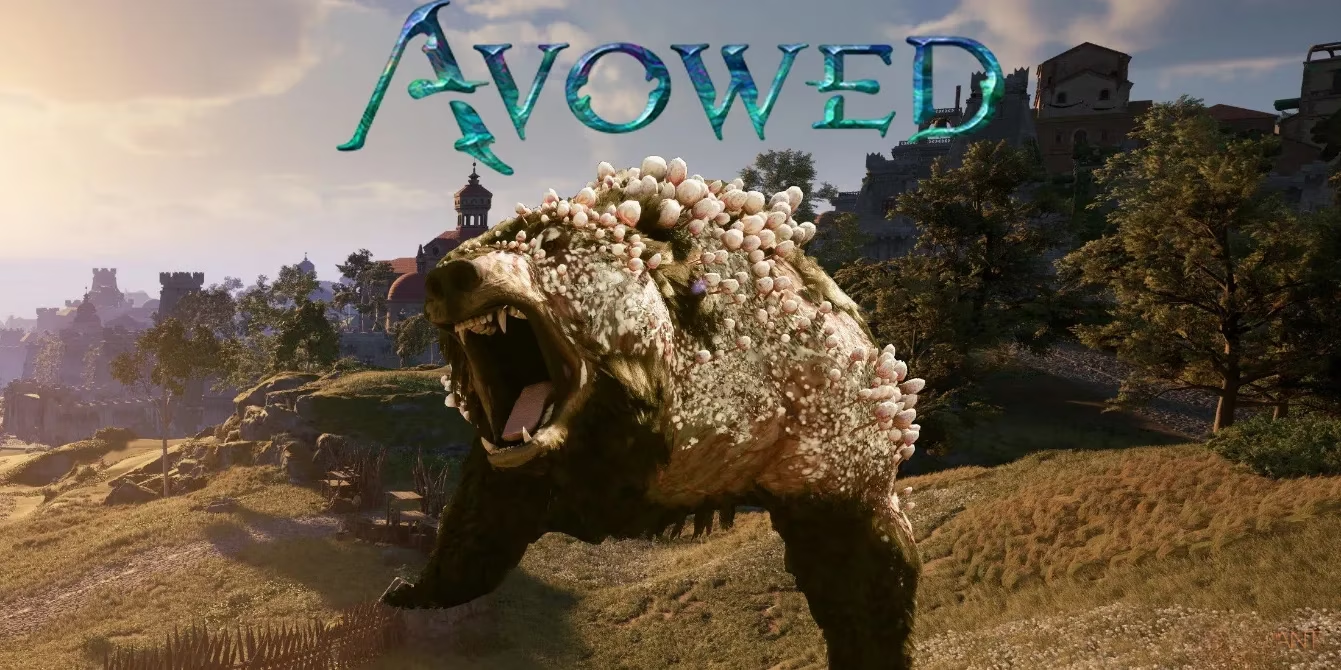
Avowed gives the player a base camp for non-active party members, a quiet pocket of the world where companions can rest, interact, and remind the player that they are people rather than inventory slots with opinions. The camp is likely to function as a hub for upgrades, gear changes, and companion side stories, and it may even grow based on which characters the player invites into the fold. That growth matters. A camp that breathes with the party’s choices feels alive, and a living camp is exactly the sort of place that fantasy stories love to threaten.
That is where the classic trope comes in: the camp ambush. Many fantasy RPGs offer players a non-combat sanctuary between quests, a place where the party can socialize and prepare. Developers often use that safety as a narrative trapdoor. Enemies attack when the player feels secure, and suddenly the camp stops being a menu screen with tents and becomes a stage for panic, loyalty, and self-defense. It is a cheap trick only when it is done cheaply. Done well, it is memorable.
Baldur’s Gate 3 shows how flexible the idea can be. Early in Act 3, the party can take in a lost girl named Yenna, and that kindness can later turn into a kidnapping plot that pulls the player back into the world. Later, during Astarion’s questline, vampires can ambush the camp while the party sleeps, forcing an unavoidable fight inside the player’s safe haven. Those moments work because the camp has already been established as a home. When home becomes a battlefield, the stakes climb without a spreadsheet in sight.
Avowed has a natural excuse for this kind of twist. The player is a chosen envoy from a distant land, sent to investigate unfamiliar territory. That premise already makes the player an outsider, and outsiders tend to attract suspicion. Enemy factions may resent the envoy’s presence, and a base camp planted in their territory would be a visible insult. The camp could become a target not because the plot needs a random fight, but because the story has built a believable reason for someone to kick the door in. What happens when the safe place stops feeling safe? That is the question a good ambush leaves hanging in the air.
Avowed also leans heavily on combat, so more meaningful battle opportunities are welcome. A pacifist run may not be a realistic option here, which means the game must work harder to make each fight feel personal. Defending the camp gives combat an emotional charge. The player is not clearing a random dungeon; the player is protecting companions, supplies, and the one place where the party can exhale. Self-defense is a fine reason for even a cautious hero to pick up a weapon.
| Camp Function | Why It Matters |
|---|---|
| Rest and upgrades | Gives the player a rhythm between exploration and preparation |
| Companion stories | Turns party members into characters with lives beyond combat |
| Narrative pressure | Makes the camp a target, not just a pit stop |
| Emotional combat | Gives battles a personal stake beyond loot and XP |
There are risks, of course. If every camp visit turns into a monster closet, the sanctuary loses its meaning. Let’s be real: players need quiet moments too. The ambush should land like a sudden storm, not like a scheduled appointment. Used sparingly, it can raise the stakes near the end of the story and make the player wonder whether any tent is truly safe. Used too often, it becomes noise.
Avowed does not need to reinvent fantasy tropes to be interesting. It needs to use them with intent. The party camp is a warm, useful feature with a dark little shadow behind it, and that shadow is where the classic ambush trope belongs. If Obsidian lets the camp breathe, lets the companions settle in, and then — once, sharply — lets the outside world break through, Avowed could turn a familiar fantasy idea into a genuinely tense memory. 🏕️⚔️
Recent analysis comes from OpenCritic, where aggregated critical reception around modern RPGs helps explain why a feature like Avowed’s party camp can matter so much: when reviewers respond strongly to companion banter, hub design, and story-driven combat encounters, it suggests that a well-timed camp ambush could elevate the game’s emotional pacing rather than serve as just another battle trigger.