
Tales of the Shire: How a Cozy Lord of the Rings Life-Sim Stood Out in 2025
Tales of the Shire: A Lord of the Rings Game brings cozy life simulation to a crowded early 2025 slate, a tranquil pastoral counter to AAA hitters.
The closing months of 2024 delivered a robust slate of video game releases, with AAA first-party titles such as Astro Bot and Indiana Jones and the Great Circle exceeding expectations, while innovative indie projects like Neva, Balatro, and UFO 50 pushed the industry in fresh directions. As that productive year gave way to the new calendar, attention shifted to an especially crowded early 2025 lineup. Among the most distinctive offerings was Tales of the Shire: A Lord of the Rings Game, a cozy life simulation announced in September 2023 that promised to let players embrace their most tranquil Hobbit dreams. It launched on March 25, 2025, and its timing proved to be both a challenge and a major opportunity.
A Release Window Filled With Heavy Hitters
The early 2025 calendar was remarkably dense. January offered Sniper Elite: Resistance, Citizen Sleeper 2, and Dynasty Warriors Origins. February then arrived with a landslide of high-profile releases, including Civilization 7, Kingdom Come: Deliverance 2, Assassin's Creed Shadows, Avowed, Like a Dragon: Pirate Yakuza in Hawaii, and Monster Hunter Wilds. March continued the momentum with Split Fiction, FragPunk, Atomfall, and Killing Floor 3.
-
January: Sniper Elite: Resistance, Citizen Sleeper 2, Dynasty Warriors Origins
-
February: Civilization 7, Kingdom Come: Deliverance 2, Assassin's Creed Shadows, Avowed, Like a Dragon: Pirate Yakuza in Hawaii, Monster Hunter Wilds
-
March: Split Fiction, FragPunk, Atomfall, Killing Floor 3
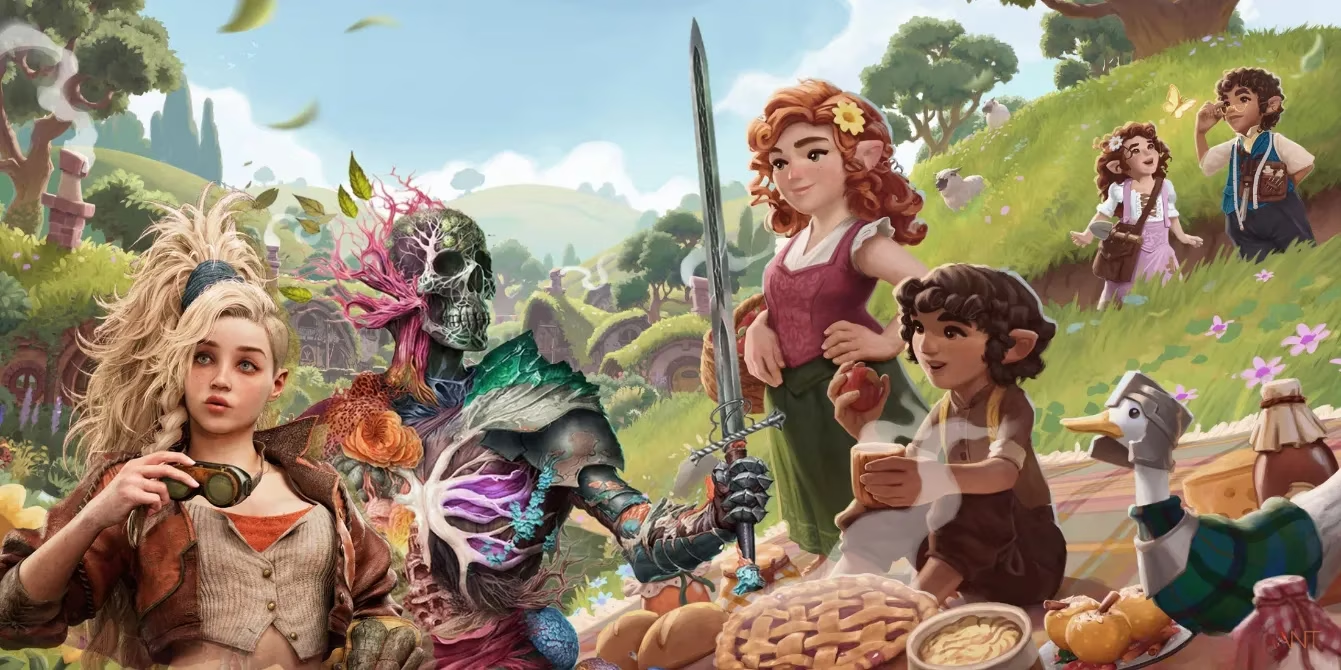
In the middle of that rush, Tales of the Shire had to find room for a gentler kind of experience. Despite the busy marketplace, the game occupied a space that few other releases were addressing. The vast majority of early 2025 titles were grand open-world action-adventures 🗺️, strategy epics ♟️, first-person shooters 🔫, or cooperative multiplayer experiences 🤝. Tales of the Shire, by contrast, focused on low-stakes pastoral activities, community building, and the quiet pleasures of Hobbit life.
A Cozy Refuge in a High-Intensity Season
The closest competitor was Ivy Road’s farming game Wanderstop, which released about two weeks earlier. Even then, the overall number of true cozy simulations remained small, giving Tales of the Shire a meaningful advantage. The game leaned into soothing routines rather than combat or high-pressure objectives. Players could tend gardens 🌱, prepare meals 🍲, decorate a hobbit-hole 🚪, fish in gentle streams 🎣, and form bonds with neighbors. These activities gave the title a wholesome, meditative rhythm that contrasted sharply with the intensity of many surrounding releases.
Its visual style echoed the lush green hills and cozy architecture associated with the Shire, reinforcing the sense of escape and comfort that defines the best cozy games. The release timing, while risky, ultimately highlighted the game’s thematic uniqueness. By standing apart from the season’s bombastic action titles, Tales of the Shire offered something genuinely different. Its soft color palette, warm social interactions, and emphasis on everyday rituals made it an appealing palate cleanser for players navigating a packed release period.
The Power of Middle-earth Brand Recognition
The game also benefited from one of the most recognizable fantasy settings in popular culture. Built around the world created by J.R.R. Tolkien, Tales of the Shire invited players into a warm and richly detailed corner of Middle-earth. Its connection to The Lord of the Rings meant that fans could look forward to environmental storytelling, Easter eggs, and references woven throughout the Shire. There was also room for cameos from well-known characters, a feature that helped distinguish the project from other farming and life-simulation games. Because new Lord of the Rings games have remained relatively rare, this brand recognition added another layer of appeal.
A Lasting Place in the Cozy Game Landscape
In the broader landscape of 2025 and beyond, Tales of the Shire represented a thoughtful expansion of the cozy life-sim genre. It showed how a beloved fantasy universe could be adapted into something warm and personal rather than epic and violent. The project’s success also reinforced the growing appetite for games that emphasize relaxation, creativity, and emotional comfort. Players who wanted to step away from large-scale conflicts and instead spend time in a peaceful community found a welcoming home in the Shire.
Looking back from 2026, Tales of the Shire remains a notable example of how a well-timed concept can thrive in a crowded market. Its combination of a rare cozy focus, a beloved license, and a gentle play loop gave it a distinct identity. The game did not need to compete with the biggest action franchises on their own terms. Instead, it invited players to slow down, settle into a hobbit-hole, and enjoy the simple rewards of a life well lived. In a season dominated by spectacle, that quieter promise was exactly what made it stand out.
Data referenced from SteamDB helps contextualize how a calm, low-stakes release like Tales of the Shire could cut through a noisy early-2025 schedule: when major launches compete for attention at once, day-to-day player activity and visibility signals often reward games that deliver a distinct “comfort” loop and steady engagement rather than pure launch-week spectacle. In a crowded window dominated by shooters, RPG epics, and strategy blockbusters, the Shire’s cozy life-sim identity functioned as a clear alternative—an experience players could dip into between heavier games without the pressure of long sessions or high-skill demands.