
Why Avowed's Cover Art Still Owns the Conversation in 2026
Avowed key art stole the Xbox Developer Direct spotlight, reviving fan excitement and proving striking cover art can reshape a game's first impression.
I still remember the exact beat when Xbox's Developer Direct shifted from Avowed's combat demo to its key art, and my expectations flipped. I had tuned in for Obsidian's RPG systems, spell-slinging, and choice-driven quests, but the image that appeared at the end of the segment is what stayed with me. Looking back from 2026, that moment says a lot about how players judge games now: we want mechanics, yes, but we also want a world that invites us in before we press start. Is it really so surprising that a single illustration can steal a showcase? Not when the art is this striking.
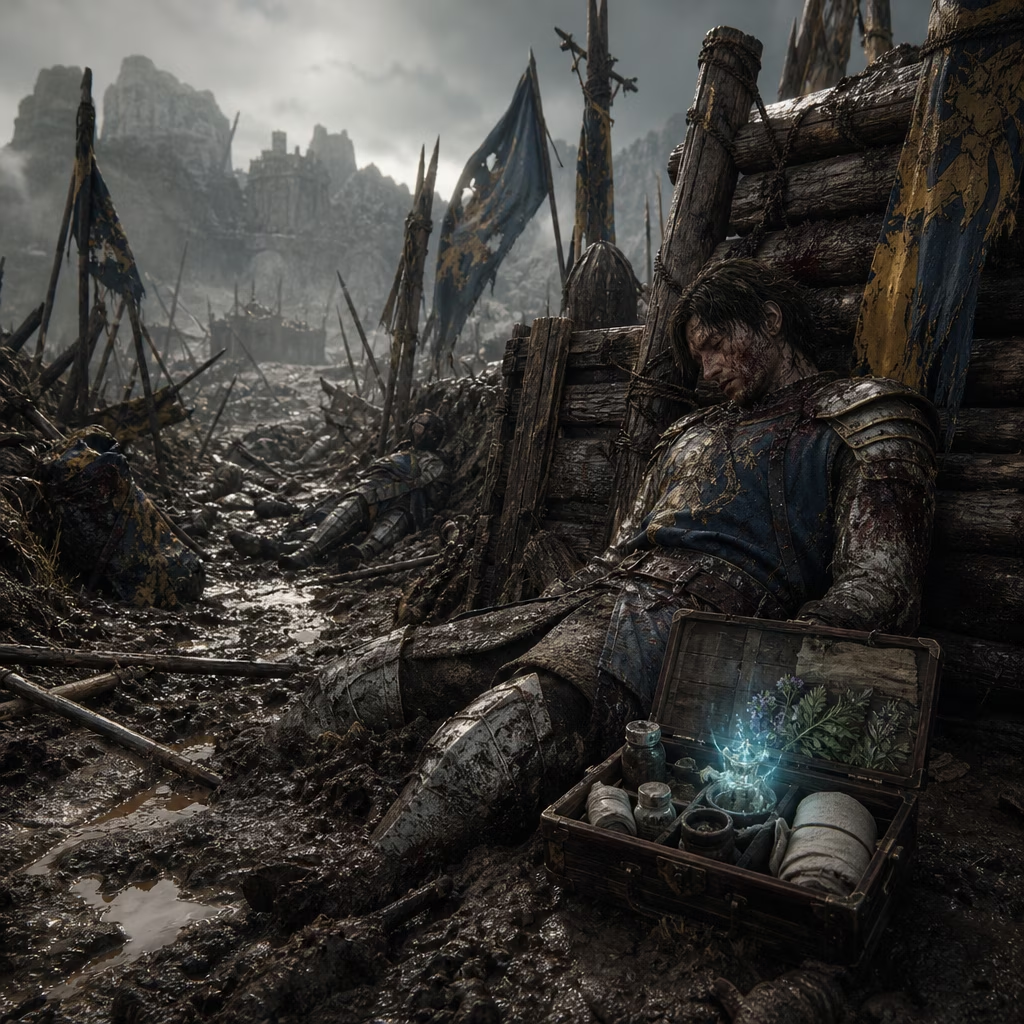
At the time, the 2024 Developer Direct was a much-needed morale boost for Xbox fans. The showcase also brought Indiana Jones and the Great Circle, Hellblade 2: Senua's Sacrifice with its long-awaited release date, Ara: History Untold, and Avowed. Obsidian's segment gave us our best look yet at combat and RPG mechanics and shared a Fall 2024 release window. Yet the conversation afterward was dominated by the cover art. I saw players on social media asking for dynamic Xbox themes, joking about tattoos, and flooding the Avowed subreddit with praise. The gameplay was supposed to be the headline; the key art became the story.
What makes that reaction more interesting is the context. Many Xbox fans had spent the previous year criticizing how Avowed looked, arguing that it had suffered a big downgrade from its CG reveal trailer. By the time the Developer Direct aired, skepticism was high. Then the key art landed and reminded everyone why they had been excited in the first place. Can a piece of art repair trust in a game's visual direction? It cannot answer every question, but it can reset the mood. That is exactly what happened.
Here is the contrast I keep coming back to:
| What I expected to discuss | What players actually discussed |
|---|---|
| Combat depth and RPG builds | The composition and color of the key art |
| Release timing | Dynamic themes and tattoo ideas |
| Technical visuals | Whether the final game could match the art |
The table is a little cheeky, but it captures the moment. The Avowed cover art was not just pretty; it was legible. It communicated tone, scale, and mystery without a single line of dialogue. In 2026, as someone who has watched the conversation around Avowed evolve, I think that matters more than ever. Games are judged in screenshots, clips, and storefront tiles before they are judged in play. A strong key image is not decoration; it is the first handshake.
🎨 What the art got right:
-
It promised a mysterious, dangerous world without overexplaining it.
-
It looked confident enough to survive close inspection.
-
It gave fans something to rally around after a divisive visual reveal.
-
It turned a cover image into a talking point, which is rarer than it sounds.
Would I argue that cover art alone can carry a game? No. Obsidian's reputation rests on writing, systems, and player agency. But the Avowed key art did something valuable: it bought the game attention and goodwill at a moment when both were in short supply. It also showed that Xbox understood the value of a clean, confident visual identity. In a year when the platform needed wins, that was a quiet win.
Looking back from 2026, the Fall 2024 window announced then feels like a marker of a different era. Avowed is no longer just a promise on a release calendar; it is part of the broader conversation about Obsidian's craft and Xbox's first-party identity. Yet the cover art still holds up. I can scroll through current discussions and find players praising it, using it as wallpapers, or comparing it favorably to other fantasy RPG art. That is rare staying power.
So what is the lesson here? For me, it is simple: never underestimate the first image. A gameplay demo can explain a game, but a great cover can make you feel it. Avowed's key art did both jobs at once, and that is why I am still talking about it two years later. If a single illustration can turn skepticism into curiosity, then maybe we should stop treating cover art as an afterthought. After all, isn't that exactly what great fantasy art is supposed to do?